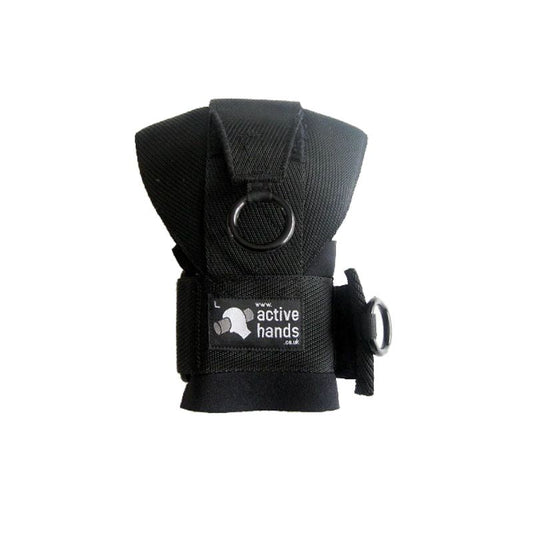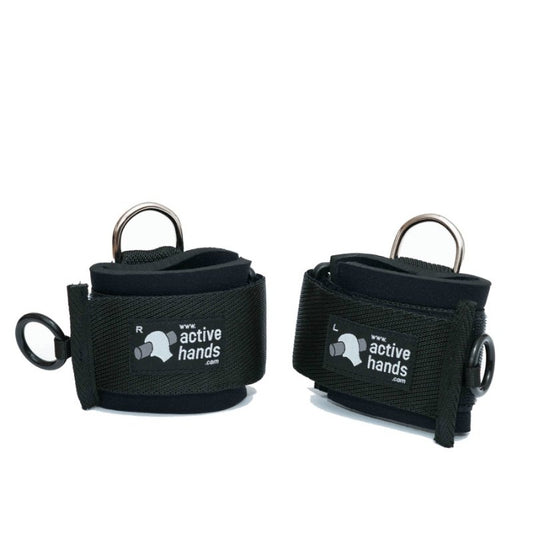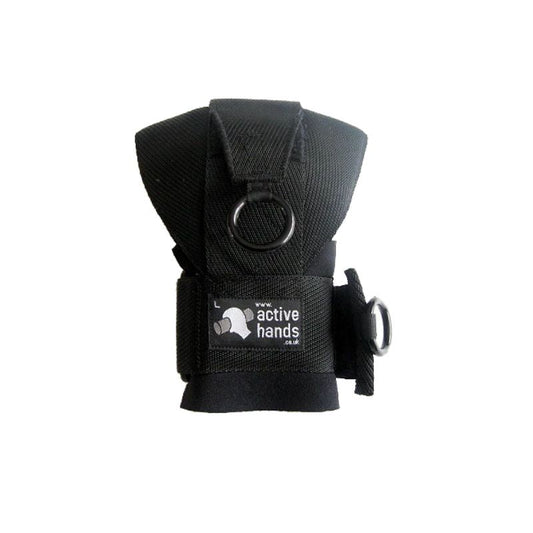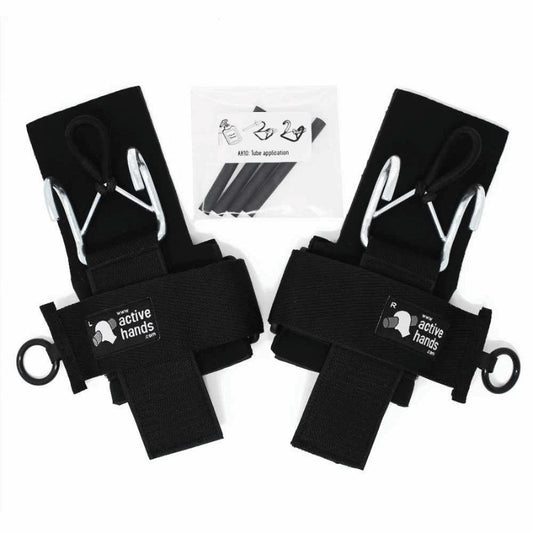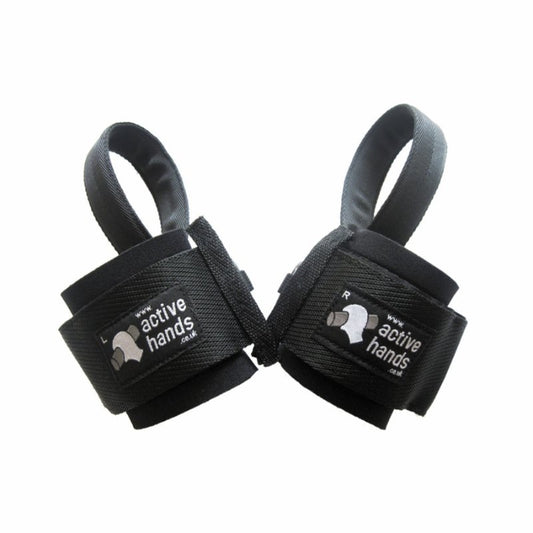





Active Hands is a range of innovative gripping solutions designed to support people with limited hand mobility


-
Active Hands General Purpose Gripping Aids - Standard
Regular price From $149.00 AUDRegular priceUnit price per$0.00 AUDSale price From $149.00 AUDBuyActive Hands - D-Ring Aids
Regular price $155.95 AUDRegular priceUnit price per$0.00 AUDSale price $155.95 AUDBuyActive Hands General Purpose Gripping Aids - Large
Regular price $175.95 AUDRegular priceUnit price per$0.00 AUDSale price $175.95 AUDBuyActive Hands - Hook Aids
Regular price $169.95 AUDRegular priceUnit price per$0.00 AUDSale price $169.95 AUDBuyActive Hands - Looped Exercise Aids
Regular price $175.95 AUDRegular priceUnit price per$0.00 AUDSale price $175.95 AUDBuyActive Hands Overview of the Range
Active Hands Gripping Aids: A Complete Guide to Choosing the Right Grip for Every Task
Active Hands gripping aids are adjustable hand straps designed to help people with reduced grip strength, arthritis, neurological conditions, or hand weakness safely and comfortably hold everyday items. By securing objects to the hand, Active Hands reduce strain, improve control, and support independence in daily activities, exercise, and hobbies.
The range includes several designs, each suited to different tasks, hand positions, and item sizes. Choosing the right Active Hands aid depends on what you want to hold, how your hand moves, and the level of support you need.
Why Use Active Hands Gripping Aids?
Active Hands aids are commonly used by people with:
- Arthritis and joint pain
- Stroke or brain injury
- Spinal cord injury
- Parkinson’s disease
- Multiple sclerosis
- Reduced grip strength or hand fatigue
They are designed to:
- Reduce the effort required to grip
- Improve safety when holding objects
- Support functional independence
- Enable participation in exercise, self-care, and daily tasks
How to Measure for the Right Active Hands Size
Choosing the correct size ensures your Active Hands gripping aid is comfortable, secure, and effective. Measuring only takes a minute and can be done at home.
What you’ll need
-
A soft measuring tape (or a piece of string and a ruler)
-
Your dominant hand (or the hand you’ll use the grip on)
Step-by-step: Measure your hand
-
Open your hand naturally (don’t stretch or clench).
-
Wrap the tape around the widest part of your palm, just below the knuckles.
-
Do not include the thumb in the measurement.
-
Record the measurement in centimetres (cm).
-
Use this measurement to select your size from the product sizing guide.
General sizing tips
-
If your measurement falls between two sizes, choose the larger size for comfort.
-
If you experience swelling, arthritis, or sensitivity, sizing up is usually more comfortable.
-
For children, always use the Kids range sizing, even if their measurement overlaps with adult sizes.
-
For limb difference or partial hand use, sizing is based on the remaining palm circumference or as advised by an Occupational Therapist.
Using Active Hands with different tasks
-
Gym & exercise: A slightly snug fit helps with control during lifting or pulling tasks.
-
Small items & daily living: Comfort is key—avoid a tight fit that may cause pressure.
-
Angled or specialised grips: Correct sizing helps maintain wrist alignment and stability.
Need help choosing a size?
If you’re unsure:
-
An Occupational Therapist (OT) can assist with sizing and selection.
-
Many suppliers can help you confirm sizing before purchase.
-
If accessing funding (e.g. Support at Home), your provider or care partner can assist.
-
How to Prescribe the Right Active Hand Product for you or your client
Overview of the Active Hands Range & When to Use Each Aid
1. Standard Active Hands Grip
Best for: General daily use
Ideal tasks: Cutlery, pens, gardening tools, gym handles, household itemsThe standard Active Hands grip is the most versatile option. It wraps around the palm and secures items into the hand using an adjustable strap. This style works well for cylindrical or straight-handled items and is often the first choice for people new to gripping aids.
Good choice if you:
- Have reduced grip strength but some hand movement
- Want one aid for multiple tasks
- Need everyday functional support
2. Angled Active Hands Grip
Best for: Tasks requiring a natural wrist position
Ideal tasks: Eating with cutlery, brushing teeth, writing, groomingThe angled grip positions the item at a slight angle to the hand, reducing wrist strain and improving alignment. This is particularly helpful for people with arthritis, limited wrist mobility, or pain when holding items straight.
Good choice if you:
- Experience wrist pain or stiffness
- Struggle to keep items aligned with your mouth or face
- Need better control for fine motor tasks
3. Small Item Active Hands Grip
Best for: Lightweight or narrow objects
Ideal tasks: Pens, toothbrushes, makeup brushes, art toolsDesigned for slim or lightweight items, this grip provides a more secure hold without bulk. It helps prevent smaller objects from slipping while maintaining comfort and precision.
Good choice if you:
- Have difficulty holding small items
- Need support for writing or personal care
- Want a low-profile gripping aid
4. Active Hands with D-Ring
Best for: Pulling or lifting tasks
Ideal tasks: Resistance bands, gym cables, hoists, door handlesThe D-ring attachment allows items to be clipped or looped rather than held directly. This reduces the need for finger strength and is especially useful for exercise, rehabilitation, or tasks involving pulling rather than gripping.
Good choice if you:
- Have very limited finger function
- Use resistance bands or gym equipment
- Need a secure connection rather than a traditional grip
5. Extra Support or Custom Configurations
Some Active Hands setups can be adapted or paired with other equipment (such as exercise handles or therapy tools) depending on the task. Occupational therapists often recommend specific configurations to match a person’s goals, hand function, and daily routines.
Choosing the Right Active Hands Grip
When selecting an Active Hands aid, consider:
- What you want to hold (small, large, heavy, or angled items)
- Your wrist and hand movement
- Pain, stiffness, or fatigue levels
- Whether the task involves gripping, pulling, or lifting
An Occupational Therapist (OT) can help assess which grip style best supports your needs, particularly if you are accessing funding through aged care or rehabilitation programs
How to buy Active Hands on the NDIS
Active Hands products are generally considered low-cost, low-risk Assistive Technology (AT) under the NDIS when they meet reasonable and necessary criteria. (you don’t usually need extra clinical justification for plans if they’re under ~$1,500).
As easy-to-use, non-powered aids that support daily tasks and independence, they can usually be purchased under self-managed or plan-managed NDIS plans.
Self-managed participants can buy and claim reimbursement, while plan-managed participants can submit an invoice through their provider. These items typically don’t require complex assessments, though a quote or therapist recommendation can help support approval.
Should a Support Item Number be required typically Active Hands are either
-
03_xx_xxx_xx_xx Consumables – Assistive Technology (Daily Living Aids)
Generic support items for low-cost, non-powered aids that assist with everyday tasks such as gripping, holding, and manual activities. -
05_xx_xxx_xx_xx Capital Supports – Assistive Technology (Low-Cost AT)
Used when the item is considered equipment rather than a consumable, typically still under the low-cost AT threshold.
Important Note
The exact support item number used to claim Active Hands products depends on the participant’s plan and funding category. Your plan manager, support coordinator, or provider will select the most appropriate generic Assistive Technology item code from the current NDIS Support Catalogue.
How to buy Active Hands under Support At Home
Contact Us
If you have any questions, please fill in your details below and we will get back to you. Alternatively you can contact us on 1300 003 930 between 9am and 5pm, send an email to contact@agedcareandmedical.com.au or use our LiveChat feature.
- Choosing a selection results in a full page refresh.
- Opens in a new window.